Window specifications explained
Two quotes can show the same word — “A-rated double glazing” — and describe genuinely different windows. This guide decodes the specifications that decide how a window performs, so you can read any quote on the numbers that matter rather than the headline price.
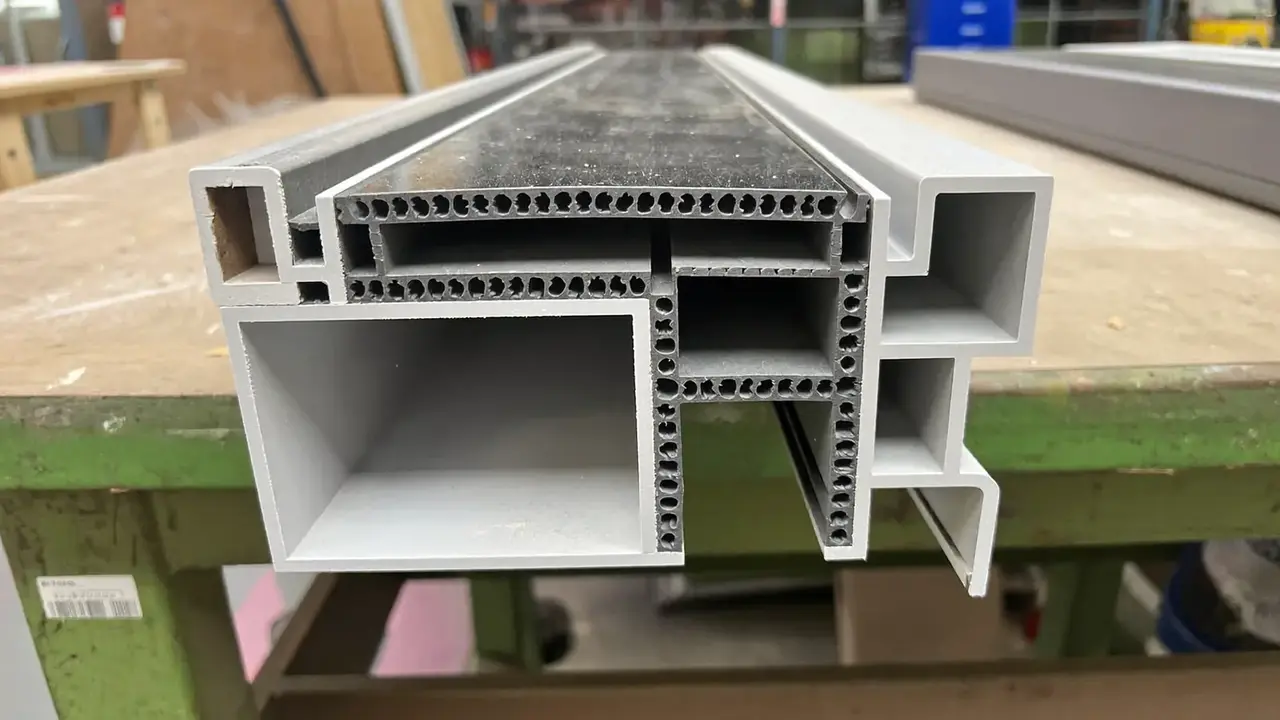
A modern replacement window is an engineered assembly, not a single product. It combines a frame profile, a sealed glass unit, spacer bars, gas fills, coatings, weather seals and locking hardware — and each element has its own specification. When you compare quotes fairly, you compare these specifications like for like. When you don’t, you often end up paying a premium price for a mid-range build, or dismissing a strong quote because it looks dearer at first glance.
The specifications that appear on every quote
Whatever style you choose — casement, sash, tilt-and-turn or bay — the same handful of figures determine performance. Learn these and the rest of the quote becomes far easier to read.
Glass make-up and gas fills
The sealed unit does most of the thermal work. A soft-coat low-emissivity (low-E) coating reflects heat back into the room, while the cavity between panes is usually filled with argon — a denser, less conductive gas than air. Our guide to glass coatings and gas fills explains how these choices change performance and cost.
Frame profile and chambers
A uPVC frame is hollow, divided into internal chambers that trap still air and add rigidity. More chambers and greater profile depth generally mean better insulation and stronger frames for larger openings. See frame profiles and chambers for how to read this on a spec sheet.
U-values and energy ratings
The whole-window U-value measures how much heat escapes: lower is better. The Window Energy Rating (WER) turns several factors into a single A-to-G grade. They measure related but different things — our pages on understanding U-values and window energy ratings A to G show how to use each correctly.
Ready to compare real quotes?
Get matched with vetted local installers and receive free, no-obligation quotes you can read spec by spec. Subject to eligibility and a home survey.
Generate my quotes →Security standards
PAS 24 is the enhanced-security benchmark for new windows and doors, backed by multi-point locking and, on vulnerable openings, laminated glass. Read window security standards to see what to ask for.
Acoustic performance and glazing depth
If noise is your priority, glazing choices change: laminated and asymmetric panes dampen sound far more than a standard sealed unit. Our acoustic glazing guide covers the trade-offs. And when a third pane is genuinely worth it, double vs triple glazing specs lays out where it pays off.
Putting it together on a quote
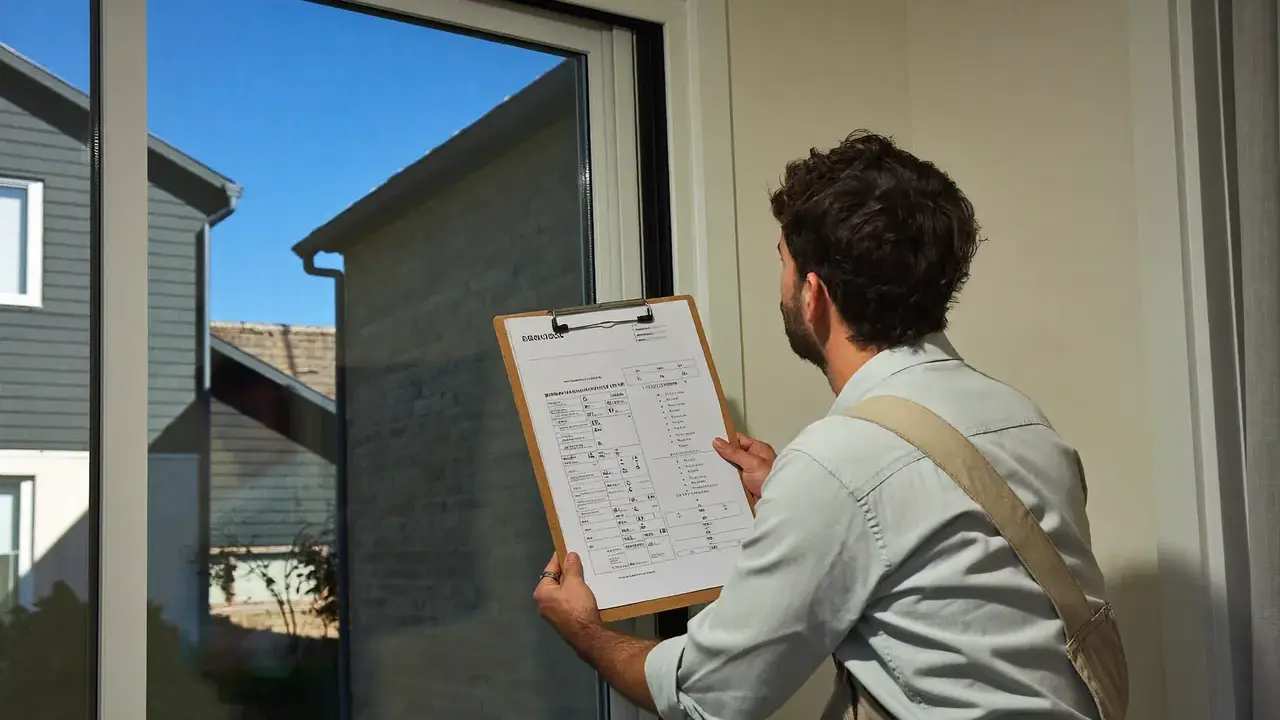
Once you know the vocabulary, a quote should tell a consistent story: a defined glass make-up, a stated whole-window U-value, a named security standard and a clear frame specification. If any of those are missing, ask. Our companion guides on reading a technical window quote and comparing window specs fairly walk through the process line by line.
It also helps to understand the wider market. You can compare glazing types side by side to see how materials differ, weigh up getting window quotes online versus in-home, and if you are replacing every window at once, read up on planning a full new-windows project before you commit.
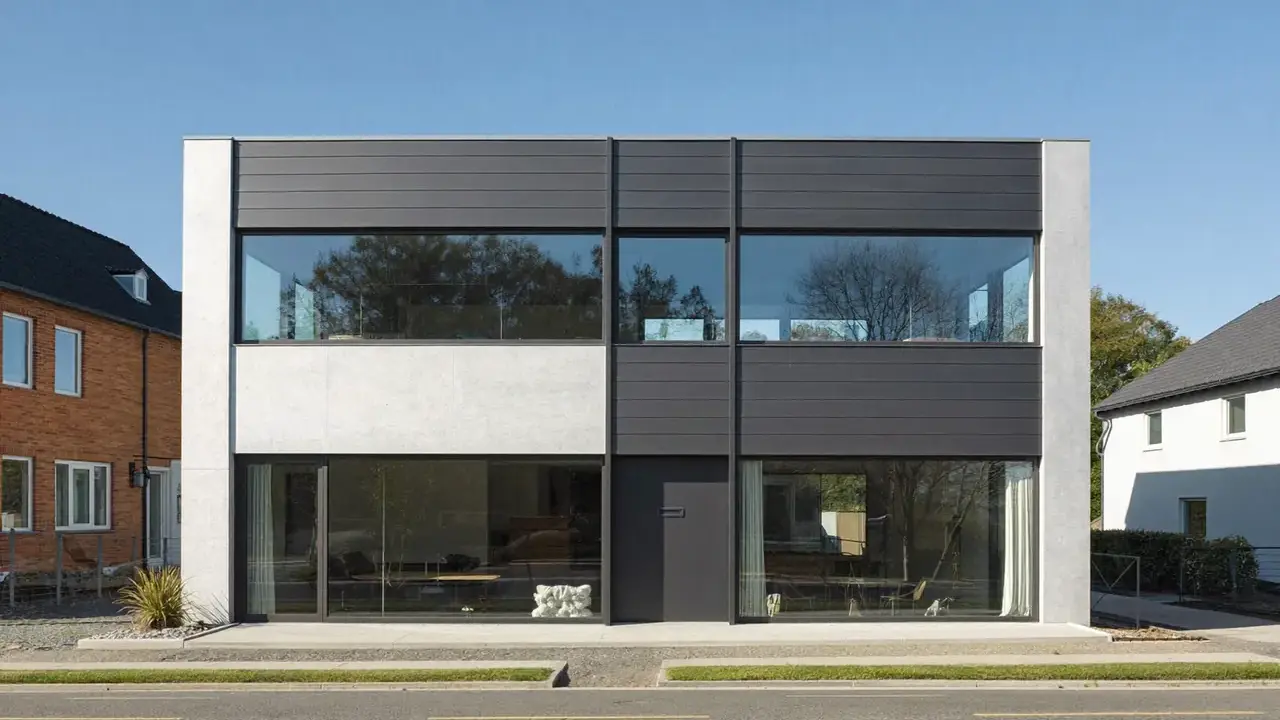
Approached this way, buying windows stops being a leap of faith. You are not guessing whether a cheaper quote cuts corners — you can see it in the specification. That is what buying like a pro really means.
Compare like a pro
Enter your details once and we will match you with accredited local installers for free, no-obligation quotes. Surveyors in many areas have appointments this month.
Generate my quotes →