Understanding U-values
If you only learn one window specification, make it the U-value. It is the clearest single measure of how much heat a window lets escape — and, read correctly, the fairest way to compare one quote against another.
What a U-value actually is
A U-value measures the rate of heat transfer through a material, expressed in watts per square metre per degree of temperature difference (W/m²K). The lower the number, the less heat escapes and the better the insulation. A single-glazed window might sit around 5.0, while a good modern double-glazed unit lands near 1.2 to 1.4, and high-performance triple glazing can reach below 1.0.
Because the scale runs the opposite way to what people expect — smaller is better — it is a common place for quotes to mislead, deliberately or not. A window quoted at 1.2 outperforms one at 1.6, even though the smaller figure can feel counter-intuitive at a glance.
Centre-pane versus whole-window
This is the distinction that separates a pro from a first-time buyer. There are two U-values a quote might show:
- Centre-pane (Ug): the glass at its best point, away from the frame. It always looks flattering because it ignores the edges and frame.
- Whole-window (Uw): the real-world figure for the complete unit — glass, spacer bar and frame combined. This is the number that governs comfort and running costs.
Always compare whole-window to whole-window. If a quote leads with a very low figure, check whether it is the centre-pane value dressed up as the window’s performance.
A centre-pane 1.0 can hide a whole-window 1.4 once an average frame is included. Ask every installer to state the whole-window U-value on the quote so you are always comparing like for like.
Get quotes that state the real figure
We match you with vetted local installers who quote whole-window U-values you can compare. Free and no-obligation, subject to eligibility and a home survey.
Generate my quotes →What drives the number down
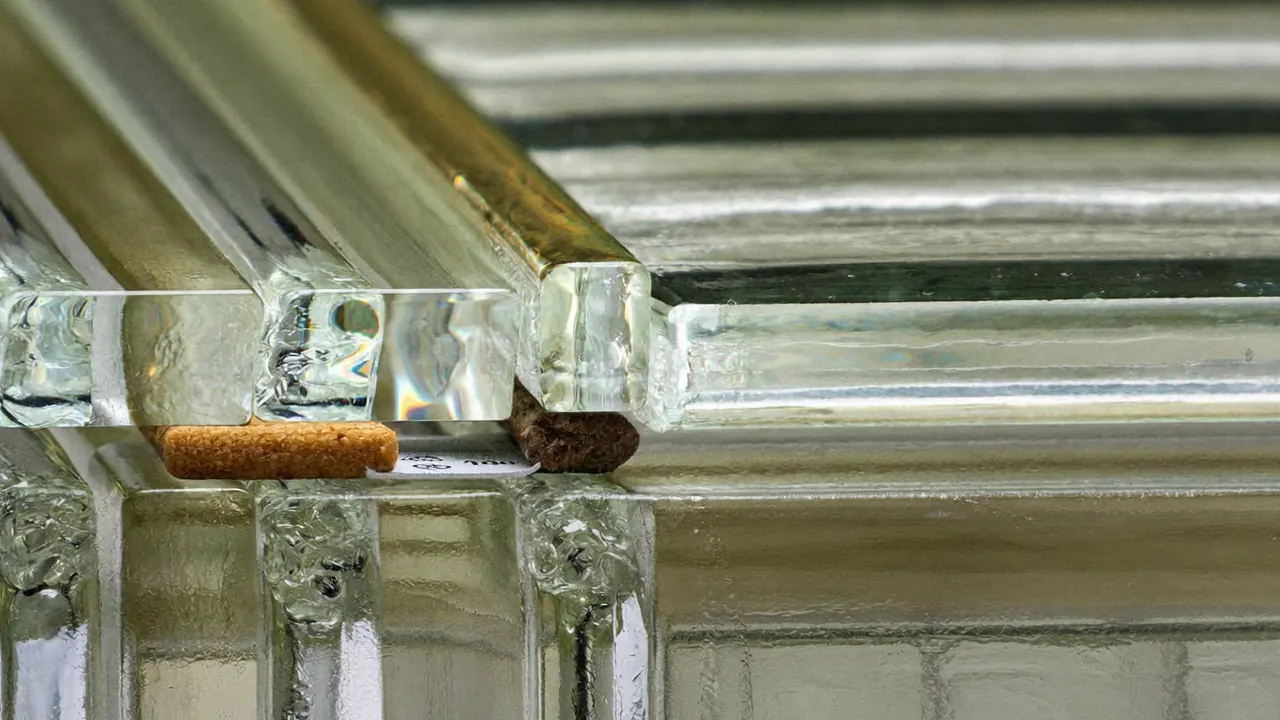
Three ingredients do most of the work: a low-emissivity coating on the glass, an inert gas fill such as argon or krypton in the cavity, and a warm-edge spacer bar that reduces heat loss where the panes meet. The frame matters too — a multi-chamber uPVC or thermally broken aluminium profile insulates far better than a basic one. Our guides to glass coatings and gas fills and frame profiles and chambers break each of these down.
How much a better U-value is worth
Lower U-values mean less heat lost, warmer rooms and fewer cold draughts near the glass. According to the Energy Saving Trust, upgrading old, poorly performing windows to modern insulated units can meaningfully reduce heat loss — but the exact benefit depends on your whole home, so treat any single savings figure with caution. The value of a lower U-value is real; a guaranteed pound figure attached to it usually is not.
The U-value works best alongside the A-to-G energy rating, which folds in solar gain and air leakage. Sealed-unit choices explored in glass coatings and gas fills are where most of the improvement comes from. And when you are ready to gather figures from installers, you can get double glazing quotes across the UK to see how U-values compare in your area.
Compare U-values like a pro
Enter your details once and receive free, no-obligation quotes from accredited installers. Surveyors in many areas have appointments this month.
Generate my quotes →Related spec guides
- Window specifications explained — the full glossary
- Window energy ratings A to G
- Glass coatings & gas fills