Window energy ratings A to G
The coloured A-to-G label on a window is one of the easiest specs to spot and one of the easiest to misread. Here is what the Window Energy Rating actually measures, how the grade is worked out, and what a genuinely good rating looks like on a quote.

What the WER measures
The Window Energy Rating (WER) is a whole-window score run by schemes such as the British Fenestration Rating Council. Unlike a bare U-value, it balances three things: heat lost through the window, useful solar heat gained through the glass, and air leakage around the frame. Combining them gives a single Energy Index, which is then translated into a letter grade from A (best) up through the scale, with the top of the range sub-divided into A+ and A++ bands on newer labels.
Because it counts solar gain, a window can earn a strong grade partly by letting warmth in on sunny days, not only by stopping heat escaping. That is realistic for how homes actually behave — but it is why the label alone does not tell you everything.
Why the letter is not the whole story
Two windows can share the same letter and differ underneath. One might achieve an A through a highly insulating sealed unit; another might lean more on solar gain from a particular glass coating. For north-facing rooms, where there is little sun to gain, the underlying U-value matters more than the headline grade. That is why pros read both figures together rather than trusting the sticker on its own.
Ask for the Energy Index number behind the letter, plus the whole-window U-value. Two “A-rated” quotes with different index scores are not the same window — and the gap shows in comfort and running costs.
See rated quotes for your home
Get matched with accredited local installers and compare energy ratings and U-values side by side. Free and no-obligation, subject to eligibility and a home survey.
Generate my quotes →What counts as a good rating
Building Regulations set a minimum standard for replacement windows, so any reputable installer will comfortably clear it. In practice, most quality uPVC and timber-alternative windows on the market today are rated A or better. That means the interesting comparison is not “is it A-rated?” but “how far into the A band does it sit, and at what U-value?”
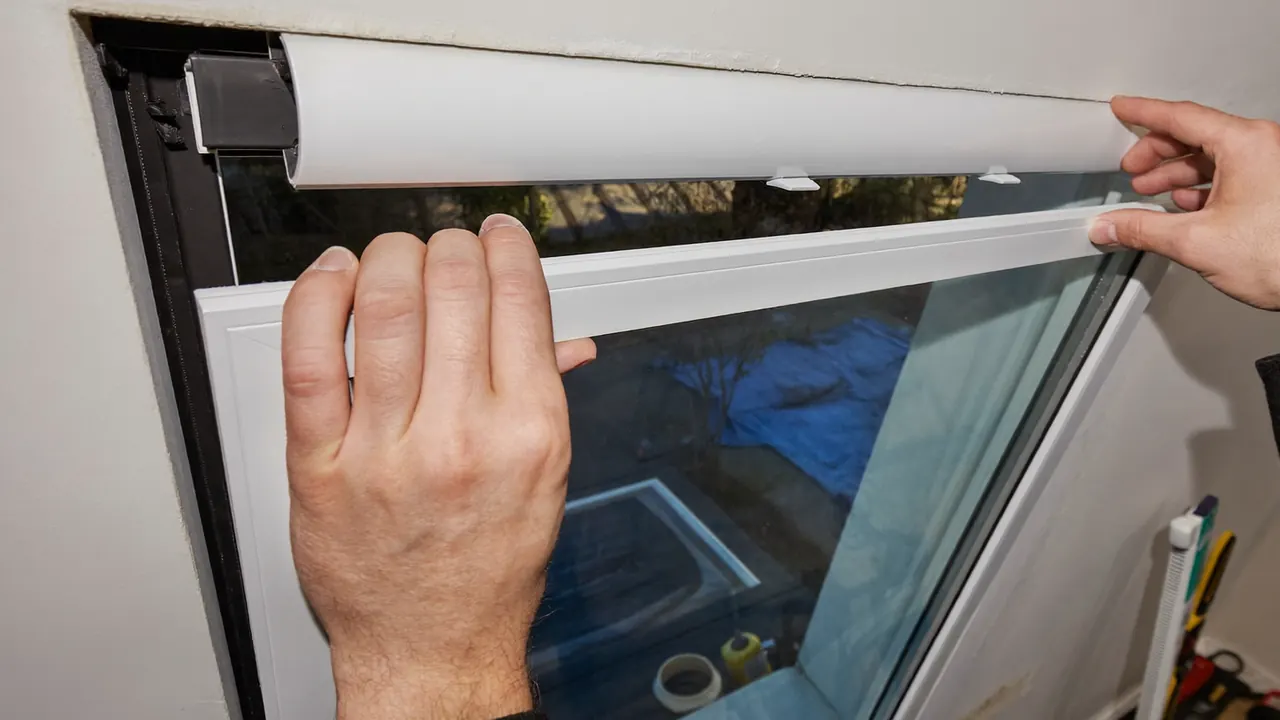
Energy-saving figures should always be treated as typical ranges rather than guarantees. According to the Energy Saving Trust, replacing older single glazing with modern energy-efficient windows can cut heat loss and reduce draughts noticeably, though the exact saving depends on your home, heating and how the rest of the fabric performs. Be wary of any quote promising a fixed pound figure of savings from the rating alone.
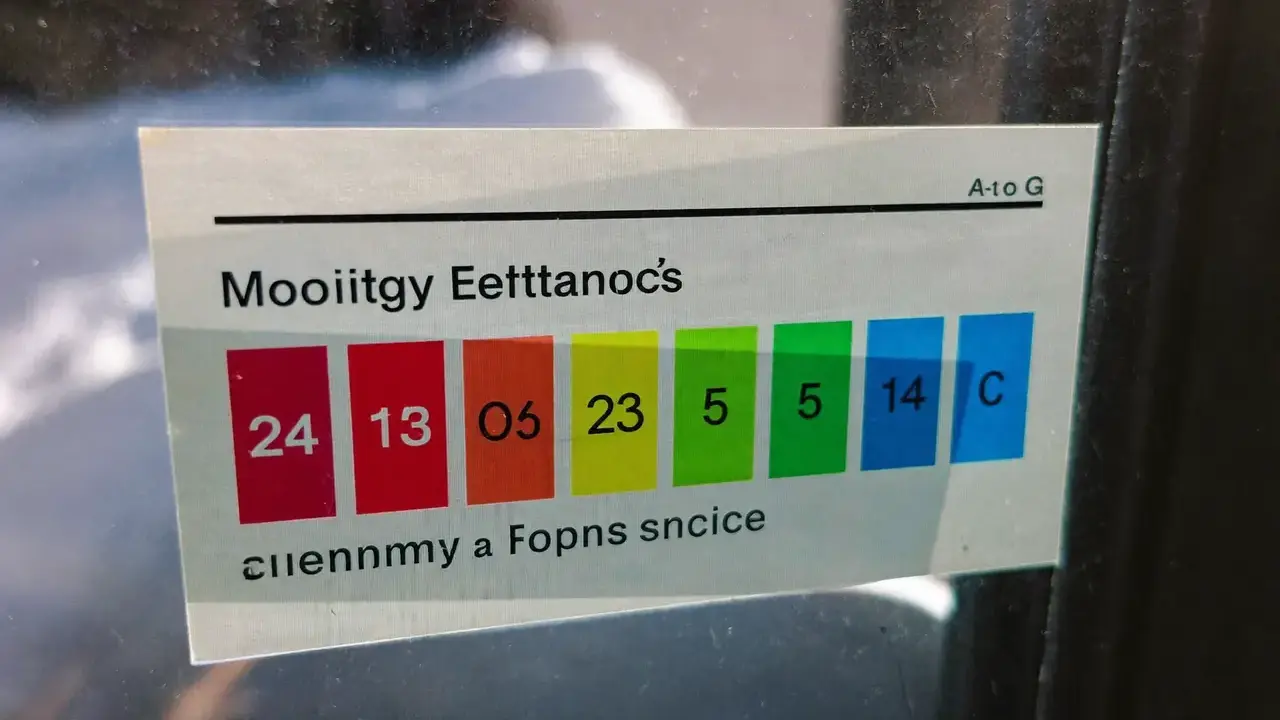
Using the rating when you compare
Treat the WER as one lens among several. Line it up with the U-value, the glass make-up and the frame specification so you are judging the whole window, not one number. It is also worth seeing how ratings differ across materials — you can compare glazing types side by side to understand why an aluminium, uPVC or timber window with the same grade can still feel different in use.
Once you know how to read the label, the rest of the quote falls into place. Move on to understanding U-values for the thermal number underneath the grade, or weigh a third pane in double vs triple glazing specs. The full glossary lives in our window specifications hub.
Compare ratings the pro way
Enter your details once and receive free, no-obligation quotes from vetted installers. Surveyors in many areas have appointments this month.
Generate my quotes →Related spec guides
- Window specifications explained — the full glossary
- Understanding U-values
- Double vs triple glazing specs