Glass coatings & gas fills
Most of a window’s thermal performance is invisible. It lives in a microscopically thin coating on the glass and the gas sealed between the panes. Understand these two ingredients and you understand why one sealed unit outperforms another that looks identical.
Low-E coatings
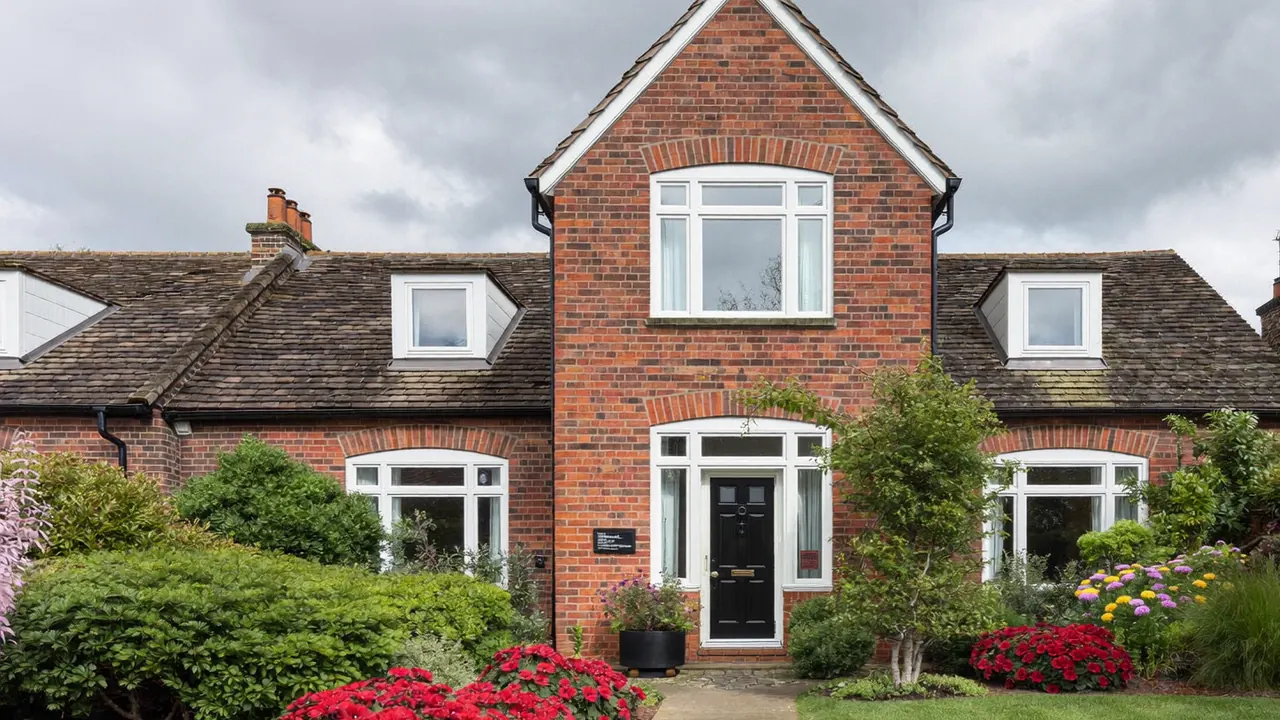
Low-emissivity (low-E) glass carries a transparent metal-oxide coating that reflects long-wave heat back towards its source while still letting light through. In winter, that means warmth from your radiators is bounced back into the room instead of escaping through the glass. It is the single biggest lever on a sealed unit’s U-value.
There are two broad types. Soft-coat low-E is applied after manufacture in a vacuum and offers the best thermal performance, which is why it dominates quality units. Hard-coat (pyrolytic) low-E is baked into the glass during production — more durable but slightly less efficient. A good quote should state which coating is used, not just “low-E glass”.
Gas fills
The cavity between panes is not left as ordinary air. It is filled with an inert gas that conducts heat less readily:
- Argon: the industry standard — affordable, effective and used in the vast majority of modern sealed units.
- Krypton: denser and better performing, used mainly in slim cavities such as triple glazing or heritage-style units where space is tight. It costs more.
- Air: found in older or budget units — a clear step down from a gas fill.
A coating and gas fill only work while the seal holds. If a unit loses its seal, gas escapes and condensation forms between the panes. That is why the sealed-unit guarantee on a quote matters as much as the spec itself.
Get quotes with the glass spec stated
We match you with vetted local installers who detail coatings and gas fills. Free and no-obligation, subject to eligibility and a home survey.
Generate my quotes →The warm-edge spacer
Around the edge of every sealed unit runs a spacer bar that holds the panes apart and contains a drying agent. Older aluminium spacers conduct heat and create a cold line at the glass edge — a common spot for condensation. A warm-edge spacer made from low-conductivity material cuts that edge heat loss and improves the whole-window U-value. It is a small line on the spec sheet with a real effect on comfort.
Solar control and coatings for comfort
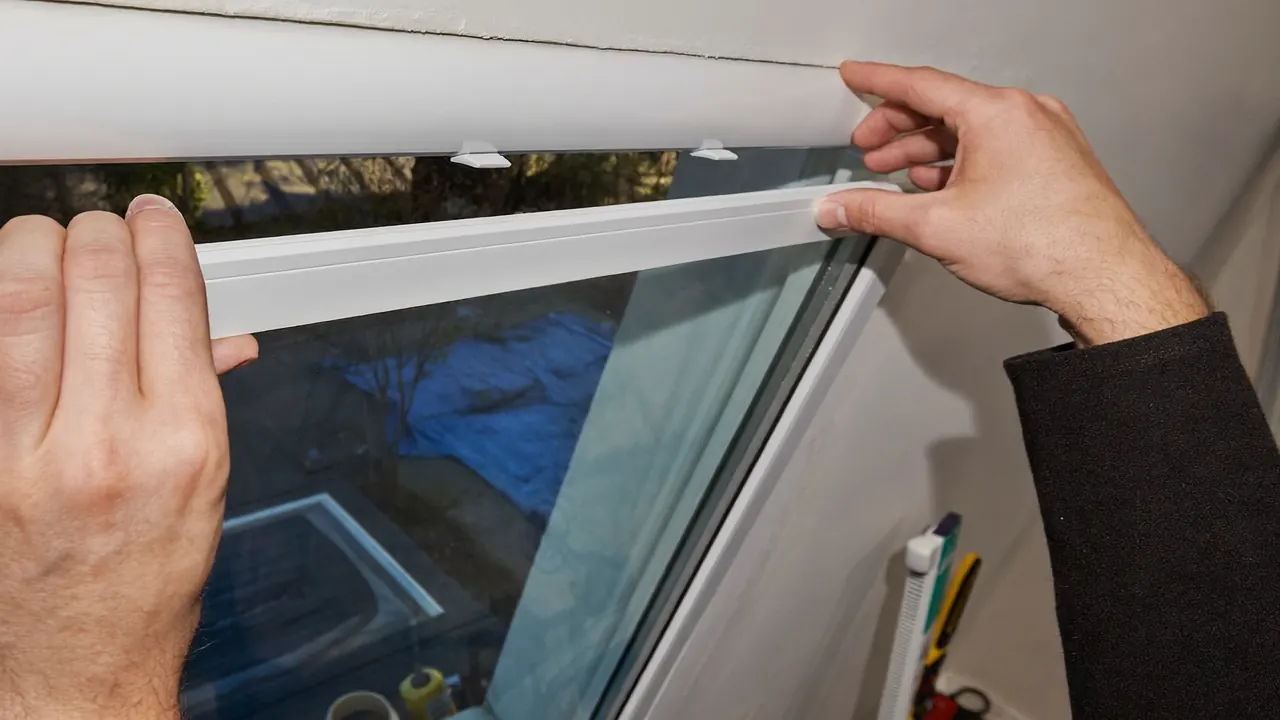
Coatings do more than retain heat. Solar-control glass reflects some of the sun’s energy to stop rooms overheating in summer — useful on large south- or west-facing windows. This is part of the balance the A-to-G energy rating captures, because a window is judged on both the heat it keeps in and the solar gain it lets through.
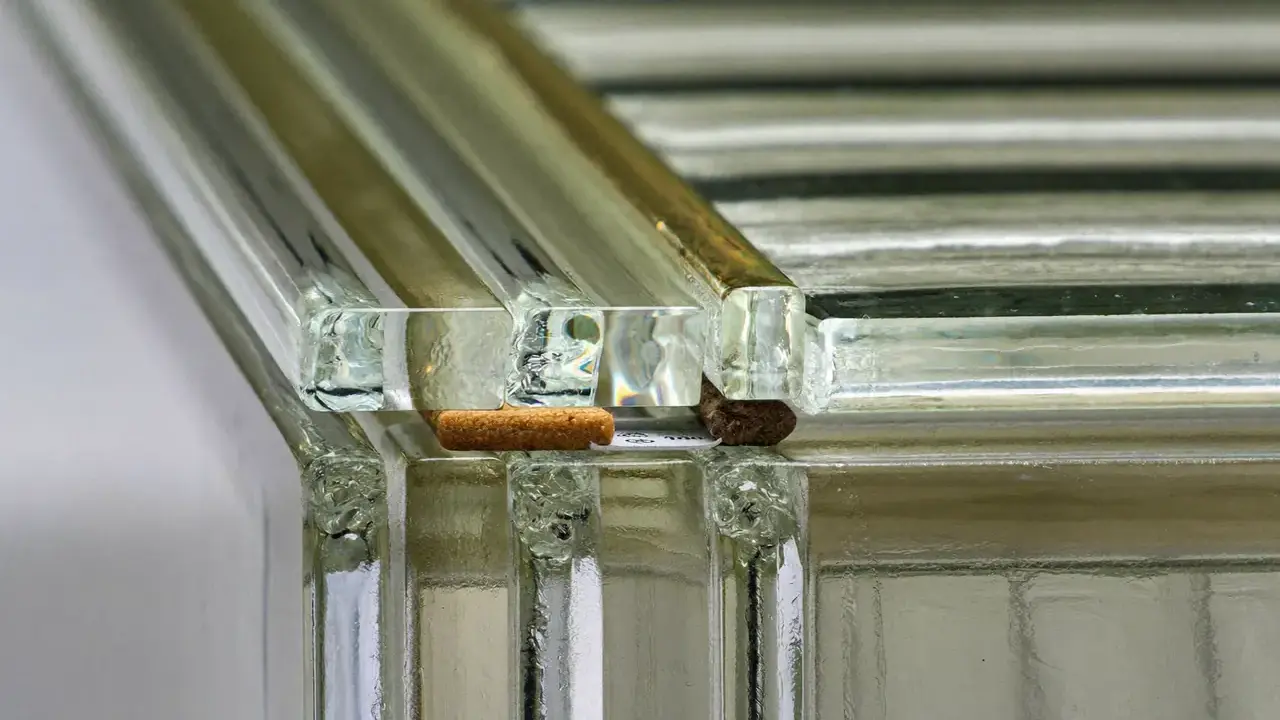
When you compare quotes, ask for the coating type, the gas fill and the spacer material by name. Two “A-rated double glazing” lines can differ on all three. To see how these choices play out across window materials, compare glazing types side by side, then decide whether a third pane adds value in double vs triple glazing specs. The full glossary is in window specifications explained.
Compare the glass, not just the price
Enter your details once and receive free, no-obligation quotes from accredited installers. Surveyors in many areas have appointments this month.
Generate my quotes →Related spec guides
- Window specifications explained — the full glossary
- Understanding U-values
- Double vs triple glazing specs