Double vs triple glazing specs
Triple glazing sounds like an automatic upgrade — more panes, more insulation. The reality is more nuanced. Here is how the specifications compare, and how to tell whether a third pane earns its place in your home or just adds cost and weight.
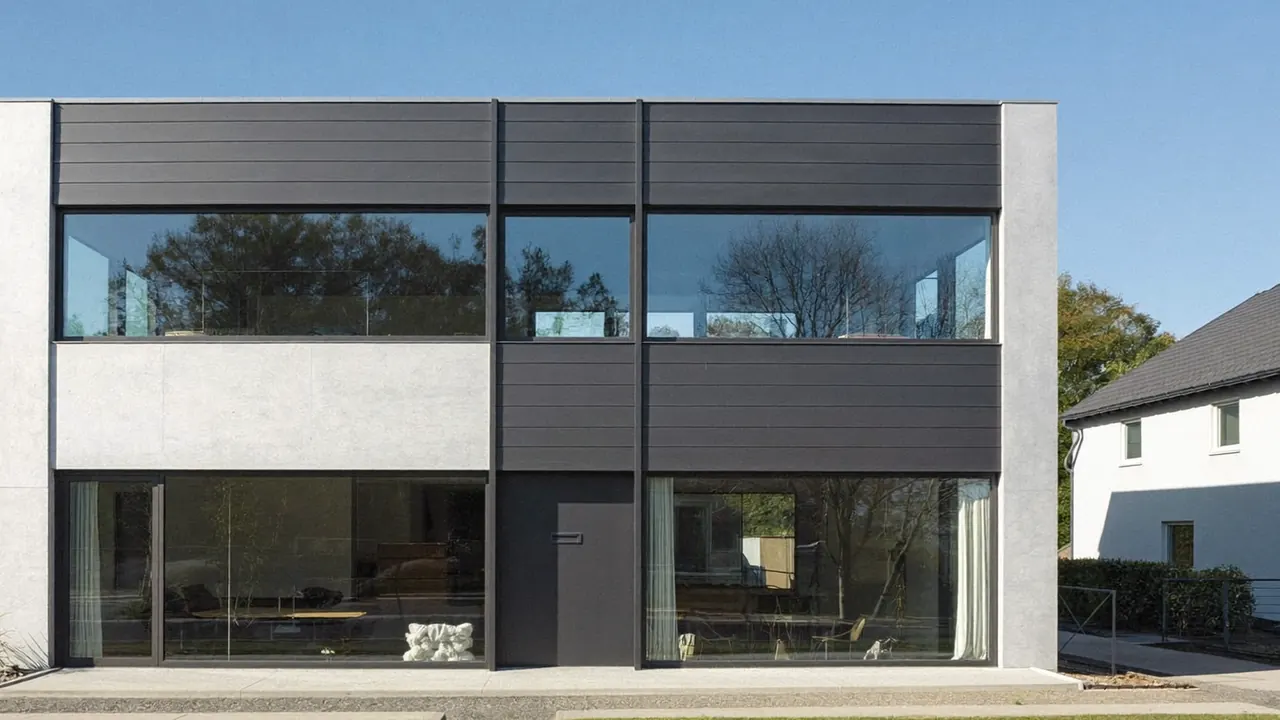
The core difference
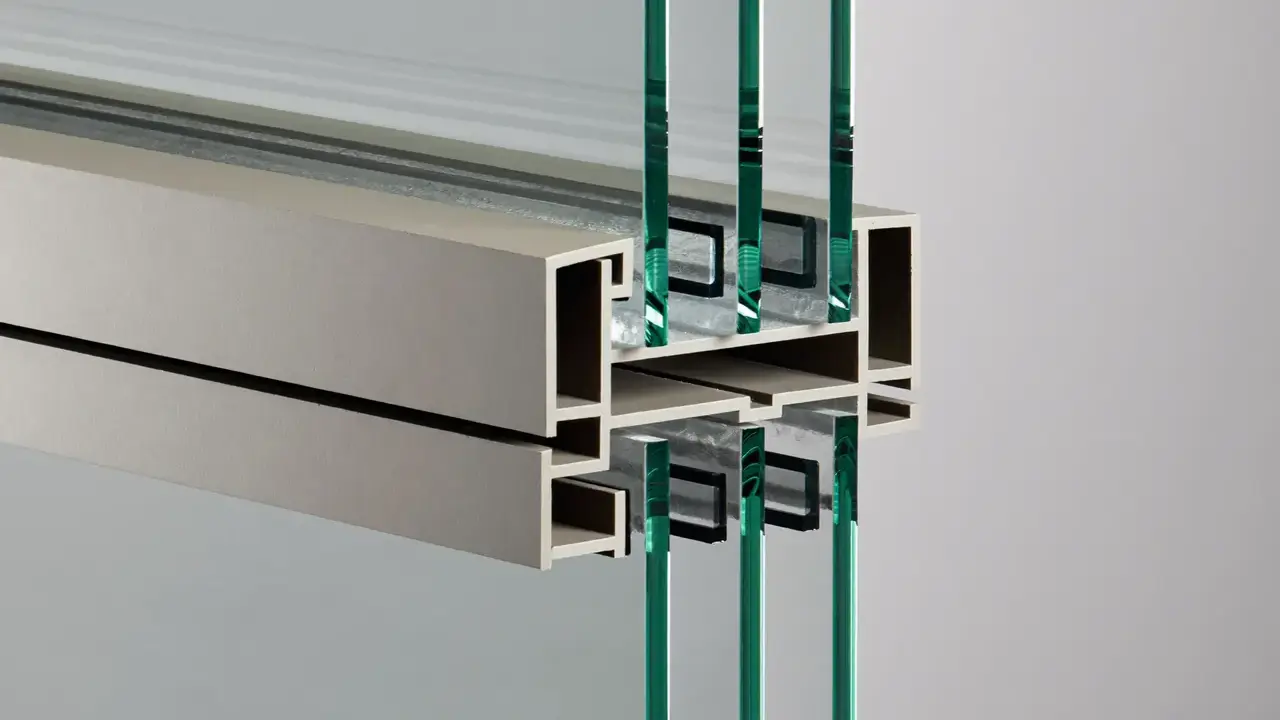
Double glazing uses two panes separated by a gas-filled cavity. Triple glazing adds a third pane and a second cavity, creating two insulating gaps instead of one. That extra barrier lowers the U-value and can improve comfort near the glass — but it also makes the unit heavier and deeper, which has knock-on effects for the frame and hinges.
| Specification | Quality double glazing | Triple glazing |
|---|---|---|
| Panes / cavities | 2 panes, 1 cavity | 3 panes, 2 cavities |
| Typical whole-window U-value | ~1.2–1.4 | ~0.8–1.0 |
| Unit weight | Lower | Noticeably heavier |
| Sealed-unit depth | Slimmer | Deeper — needs a suitable frame |
| Relative cost | Baseline | Higher |
Where triple glazing earns its place
A third pane makes the most sense when the rest of your home is already well insulated. In a modern, airtight property with good walls and loft insulation, windows become the weak link and a lower U-value has somewhere to make a difference. Triple glazing also helps in very exposed locations and can reduce the cold-radiant feeling when you sit close to a large window.
Not sure which spec suits your home?
Get matched with vetted local installers who can advise double or triple glazing at survey. Free and no-obligation, subject to eligibility and a home survey.
Generate my quotes →Where it may not be worth it
In an older, draughtier home, spending on triple glazing while heat pours out through solid walls and gaps rarely pays off — a strong double-glazed unit plus draught-proofing often gives better value. Triple units are heavier, so frames and hinges must be specified to carry them, and the deeper sealed unit can slightly reduce the visible glass area. On south-facing rooms, the extra pane also cuts a little useful solar gain, which can nudge the energy rating in an unexpected direction.
Don’t forget noise
Many people assume triple glazing is the best answer for noise. Often it is not — for sound reduction, asymmetric pane thicknesses and laminated acoustic glass in a double-glazed unit usually outperform three equal panes. If quiet is your goal, read acoustic glazing for noise before you pay for a third pane.
Making the call
Judge it on your whole home, not the pane count. Ask each installer for the whole-window U-value both ways and weigh the difference against the extra cost. It also helps to compare glazing types side by side across materials, and if you are replacing everything at once it is worth planning a full new-windows project so the glazing choice fits the bigger picture. For the fundamentals, return to window specifications explained.
Compare double and triple quotes
Enter your details once and receive free, no-obligation quotes from accredited installers. Surveyors in many areas have appointments this month.
Generate my quotes →Related spec guides
- Window specifications explained — the full glossary
- Understanding U-values
- Acoustic glazing for noise